

Every day, countless individuals dedicate their lives to serving others—humanitarian aid workers, medical providers, social workers, housing advocates, human rights defenders, and those working on the frontlines of society’s most complex and heart-rending challenges. Their work is essential to the functioning and moral integrity of our communities. Yet the emotional and psychological cost of this service often remains invisible.

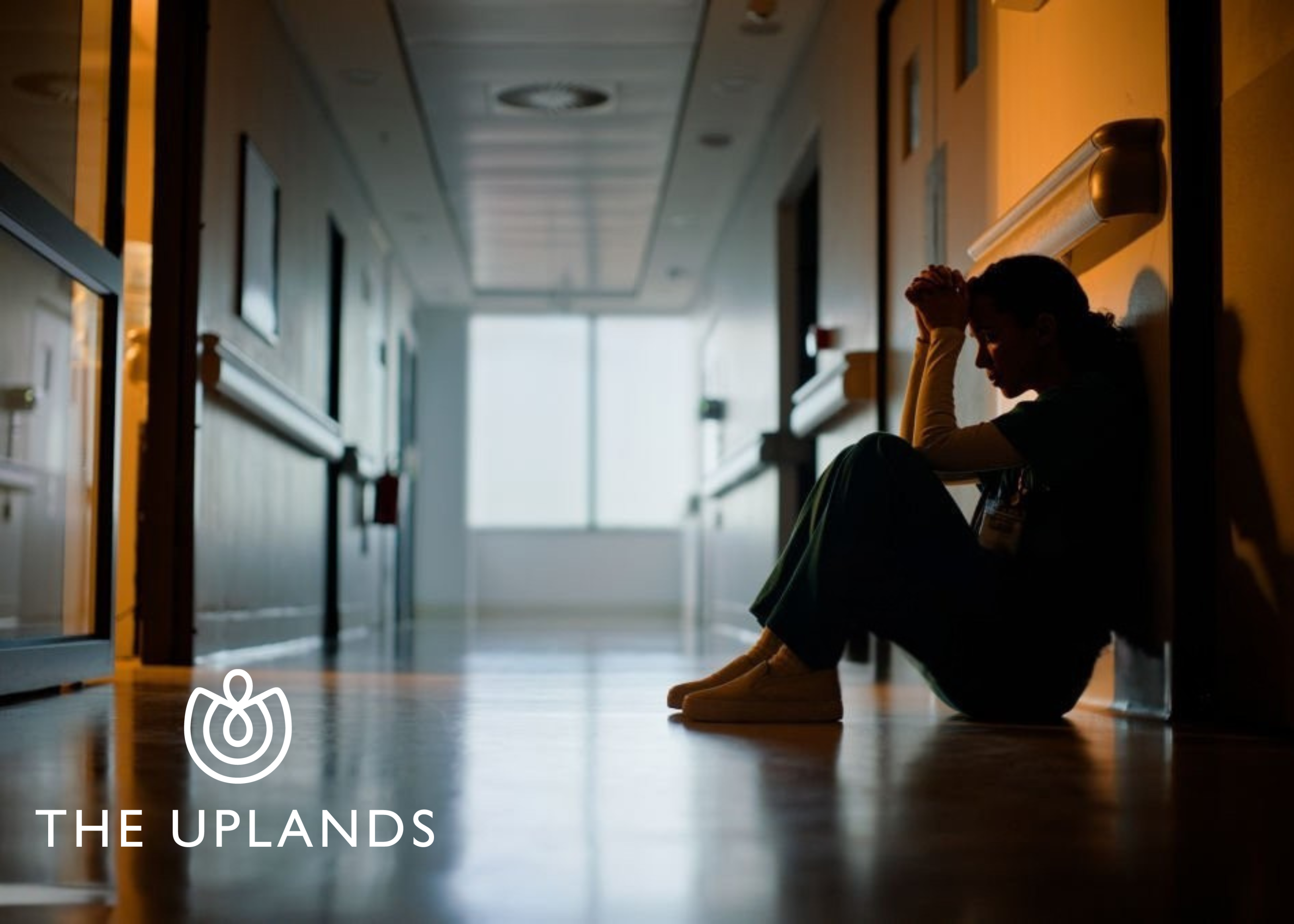
Research increasingly shows that the toll is both real and widespread. A 2024 study based on peer reviewed research found that nearly 45% of healthcare professionals report experiencing symptoms of moral injury—the psychological distress that arises when individuals witness, participate in, or feel powerless to prevent actions that conflict with their deeply held moral beliefs A 2022 survey of neurosurgeons revealed that nearly half of those surveyed reported “significant moral distress” within the prior year. 56% of nurses have reported emotional exhaustion, a core component of burnout according to the American Nurses Foundation in 2023. Among social workers and other trauma-exposed professionals, studies conducted over the past twenty years suggest that a significant proportion experience symptoms of secondary traumatic stress, often referred to as vicarious trauma.
Moral injury can leave professionals carrying profound guilt, grief, or anger after witnessing the failure of our healthcare and social service systems to provide the level of care their patients require and deserve.
These are not just private individual struggles; they are workforce sustainability issues. When caregivers become depleted, overwhelmed, or disconnected from their sense of purpose, professional performance may suffer and many begin to question whether they can remain in the work at all. Burnout slowly erodes energy and hope, making even deeply meaningful work feel unsustainable. Vicarious trauma can reshape how caregivers see the world, challenging their sense of safety and trust. Over time, these cumulative exposures can estrange individuals from themselves, their relationships, and the purpose that first called them into service.

As organizations face increased turnover, communities lose experienced providers, and the very systems designed to support the most vulnerable grow more fragile and vulnerable. Caring for caregivers, therefore, is not simply compassionate—it is critically essential for the health of our society.
So what can we do to support the people standing at the epicenter, the ground zero of care for our communities? One answer begins with creating spaces where caregivers themselves can be held.
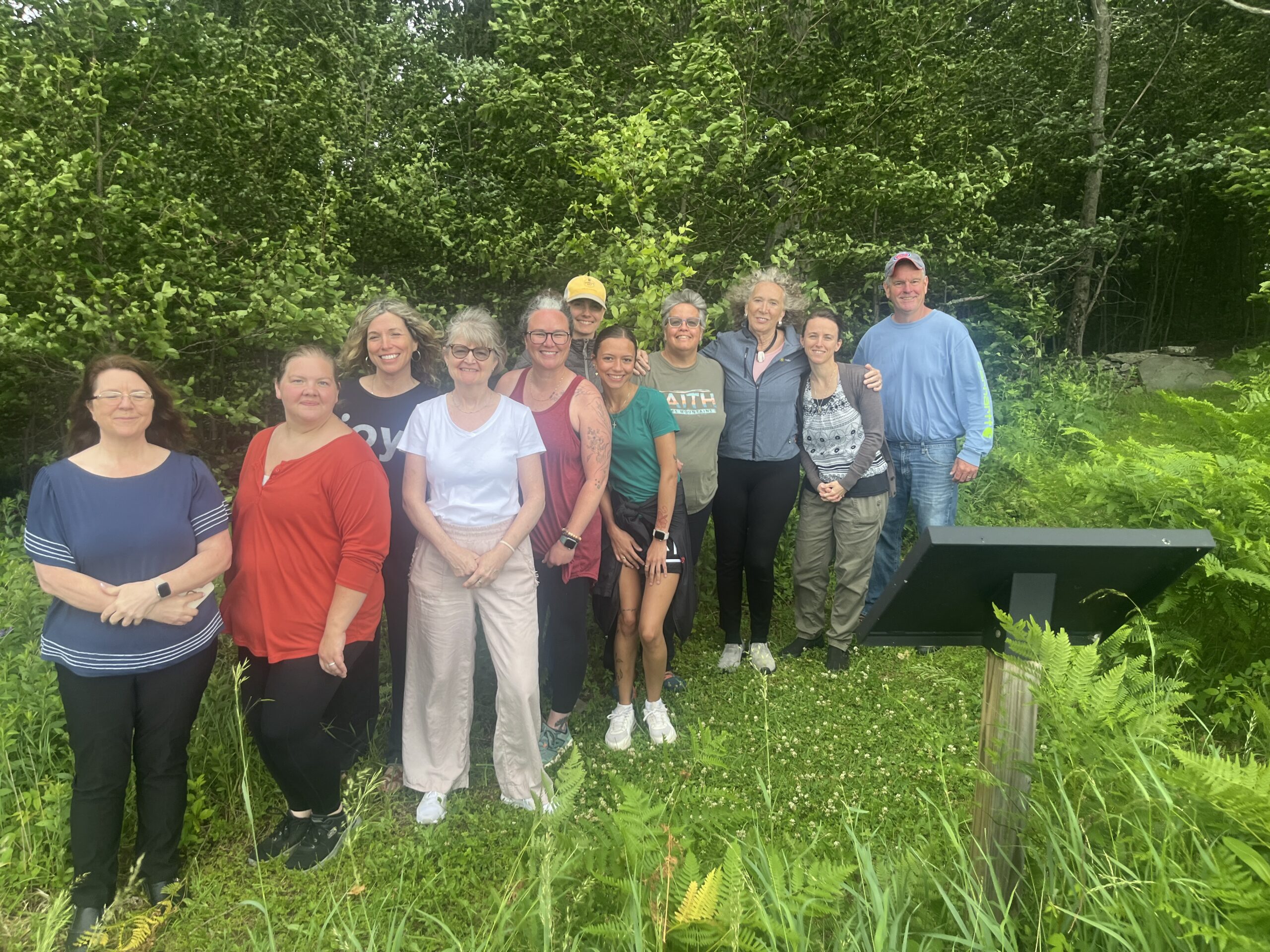
The Uplands Center was founded on the belief that self-care is critical for the sustainability of care work and the staying power of those working in service of others. Our retreats are designed to offer caregivers the rare opportunity to step out of high distress environments of urgency, and responsibility and into a one of peaceful recovery that settles the body, stills the mind, and quiets the soul. In this restorative setting, participants are invited to hold space for and tend to themselves and their team with the same dedicated compassion they so readily extend to others.
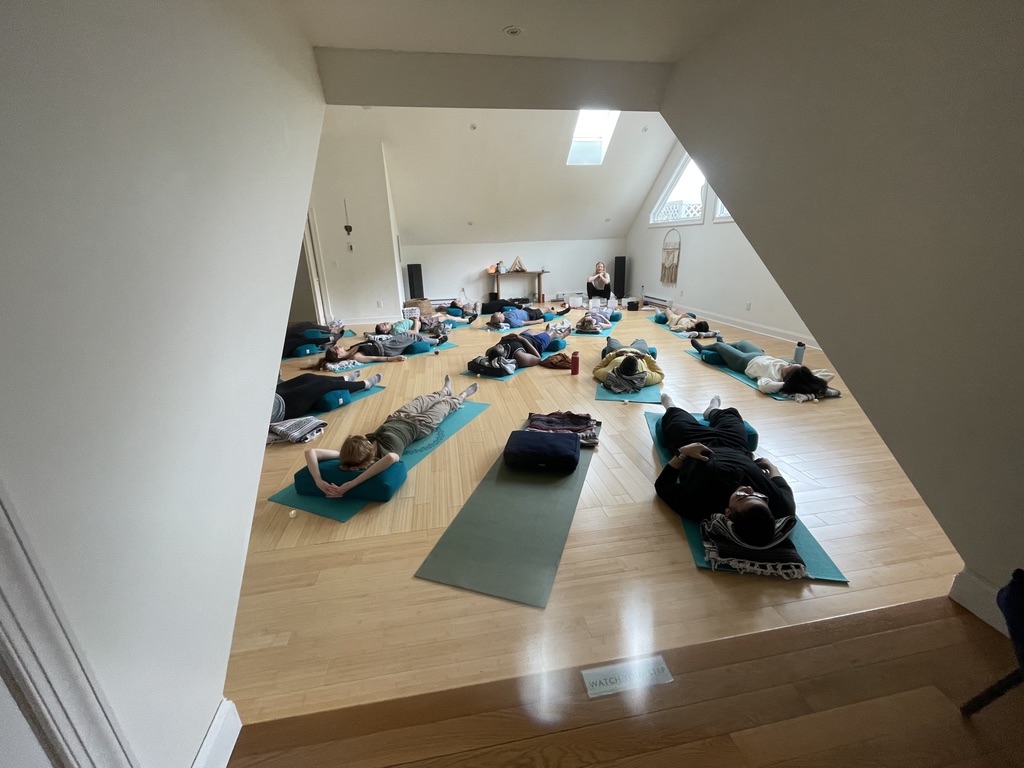
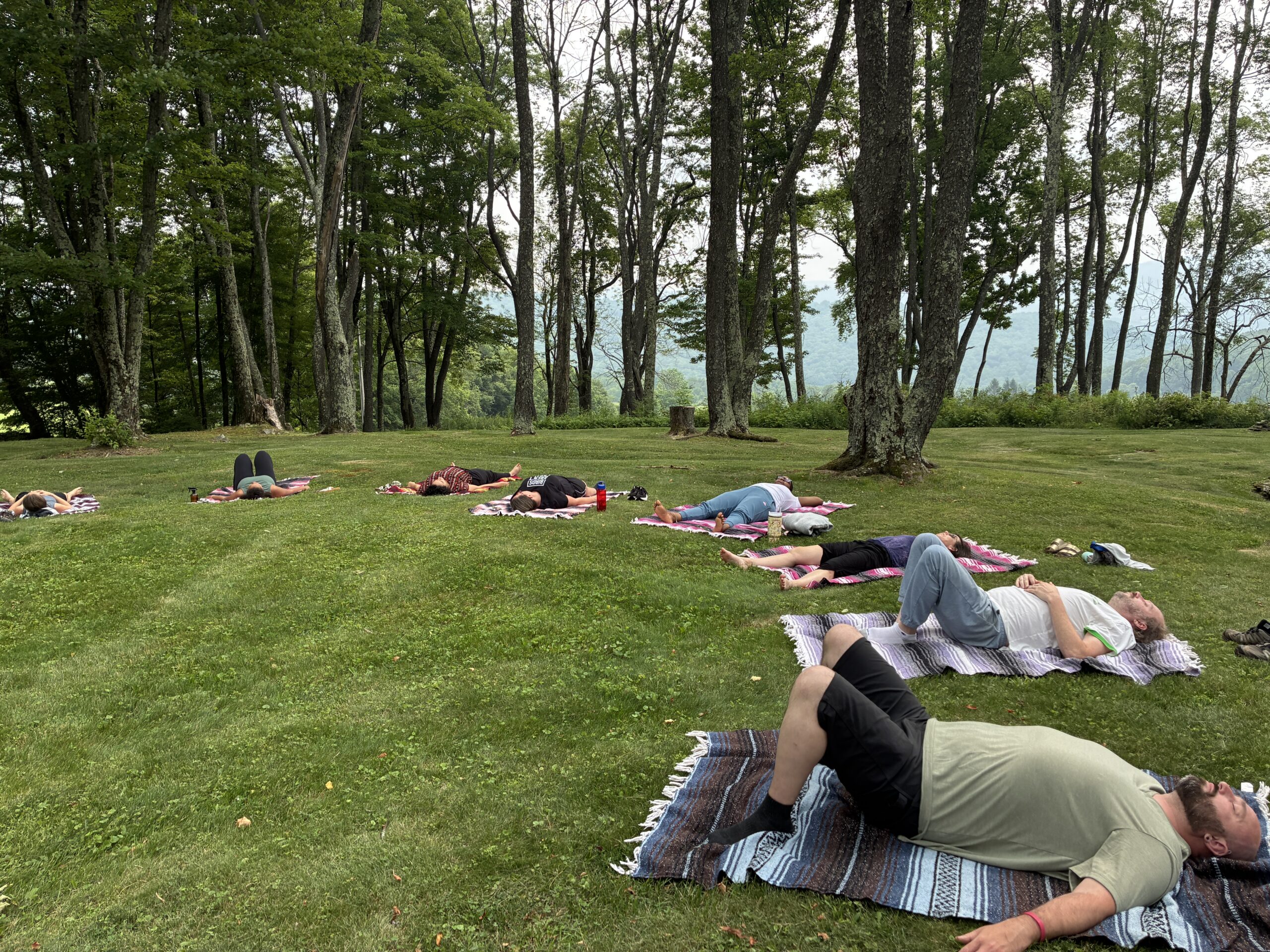
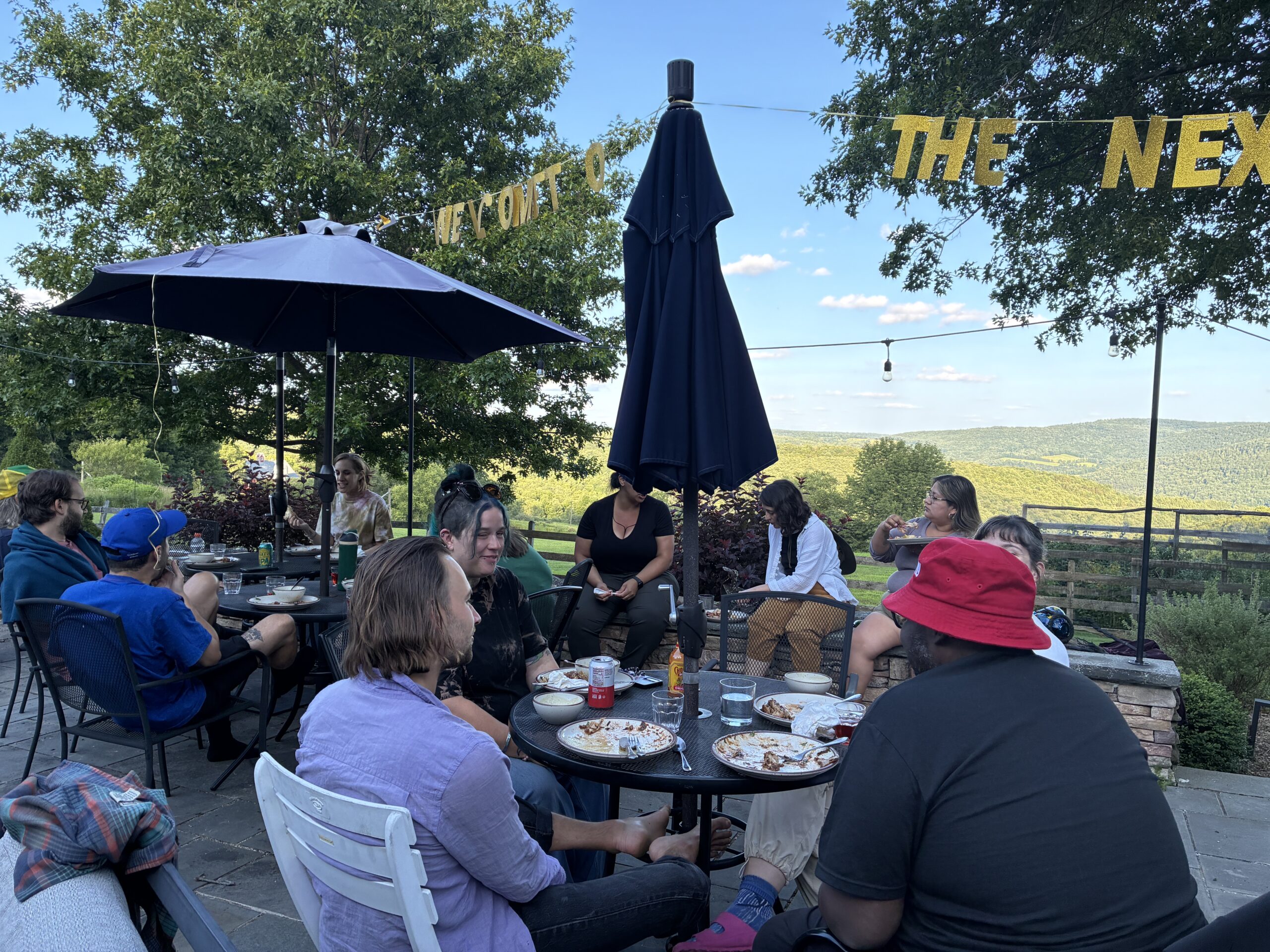
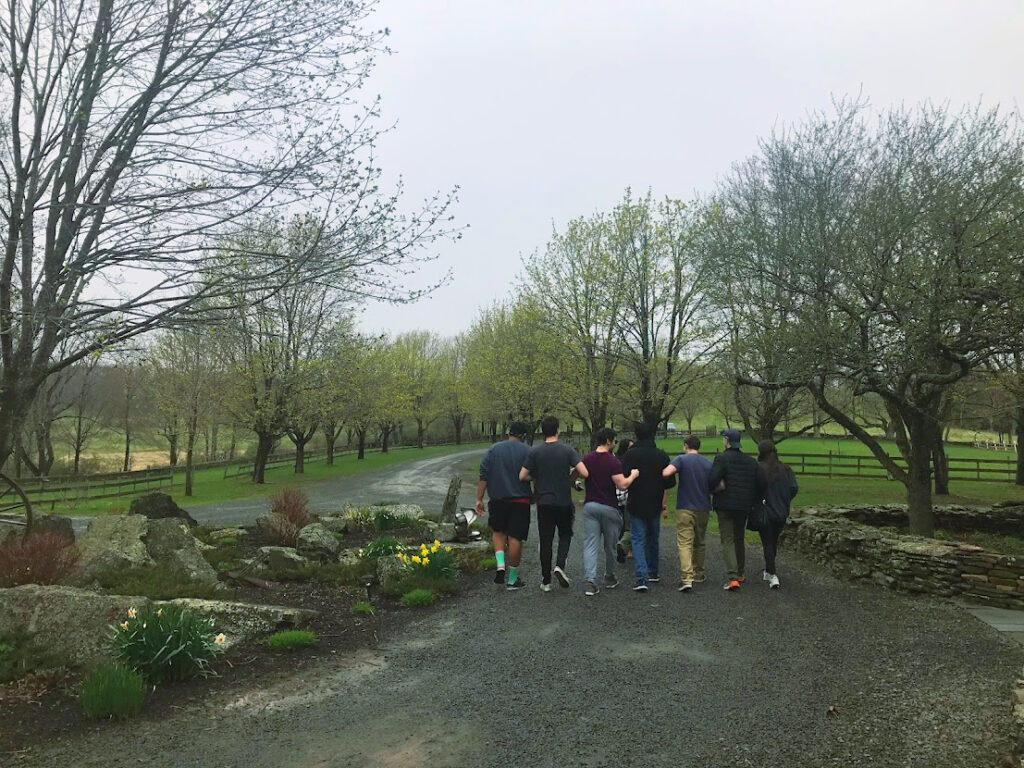
Customized for each group, retreats provide opportunities to recharge through yoga, nature immersion, facilitated art workshops, sound baths, and unstructured time for reflection and rest. Surrounded by natural beauty and nourished by hearty farm-to-table meals, participants reconnect with themselves and each other in ways that enable bonding through sharing privately harbored grief, hardship, and grievances, borne of their professional caregiving lives. They leave restored, fortified, and endowed with practical self-care techniques—emotional self-regulation, breath work, mindfulness practices, team solidarity—that can support them long after the retreat ends. These retreats are more than just a break from demanding work; they are an investment in awareness, resilience, sustainability, and longevity.

Our goal is not only to provide temporary restoration, but to encourage care workers to recognize the impact their work has on their nervous systems, their emotional lives, and their sense of meaning, and support them to tend to their own needs with the same attentiveness they offer others. We partner with the leadership of service organizations to consider, and invest in, care for those that serve others, as a critical component of that work, including through caregiver retreats and personal (and collective) wellness practices. Supporting caregivers should not be viewed as an optional benefit, or indulgence, but as an imperative, a responsibility and a strategic priority. When organizations care for their caretakers, they foster stronger teams, healthier workplace cultures, and more robust sustainable service.

Ultimately, our aim is simple yet profound: to help keep people nourished, self-aware, and resourced so they can continue doing the work the world so urgently needs. By encouraging both personal practice and organizational commitment, we hope to cultivate a culture in which caregivers feel permitted—and empowered—to recognize their limits, honor their humanity, and seek renewal when it is needed.
When those who care for the most vulnerable are themselves supported, the ripple effects extend far beyond the individual. Communities grow stronger. Systems become more stable. Compassion becomes sustainable.
At The Uplands Center, we are honored to support healers through Caregiver Retreats—so they can return to their work realigned, renewed, and ready to continue changing the world together. In 2024 we hosted a retreat on Moral Injury with community health workers and look forward to convening thought-leaders on this issue in the months ahead, to assess and advance strategic responses to this pervasive challenge facing caregivers today.
Sources:
Brennan, C. J., Roberts, C., & Cole, J. C. (2024). Prevalence of occupational moral injury and post-traumatic embitterment disorder: a systematic review and meta-analysis. BMJ Open, 14(2), e071776.
American Nurses Foundation. (2023, November 7). The American Nurses Foundation Says Action Still Needed to Address Serious Nursing Workforce Challenges. American Nurses Association.
Bride, B. E. (2007). Prevalence of secondary traumatic stress among social workers. Social Work, 52(1), 63–70.