


For those whose passion and profession focuses on caring for others and making positive change in the world, these are hard times. We’re witnessing war, dramatic cuts to food assistance programs, increasingly militarized immigration enforcement, the rollback of protections for our air, water and forests, closure of programs devoted to ending discrimination and devastating cuts to health care access. The impact is being felt deeply by the staff of nonprofit organizations dedicated to advancing change and caring for vulnerable people. It is perhaps the most profound workplace hazard being felt across many sectors.
After more than five years hosting retreats for dozens of organizations of changemakers and caregivers, we at The Uplands Center have learned first-hand about the stressors facing nonprofit organizations and their staff — and how to counter that strain by providing a space for restoration and recommitment.
Growing resource scarcity
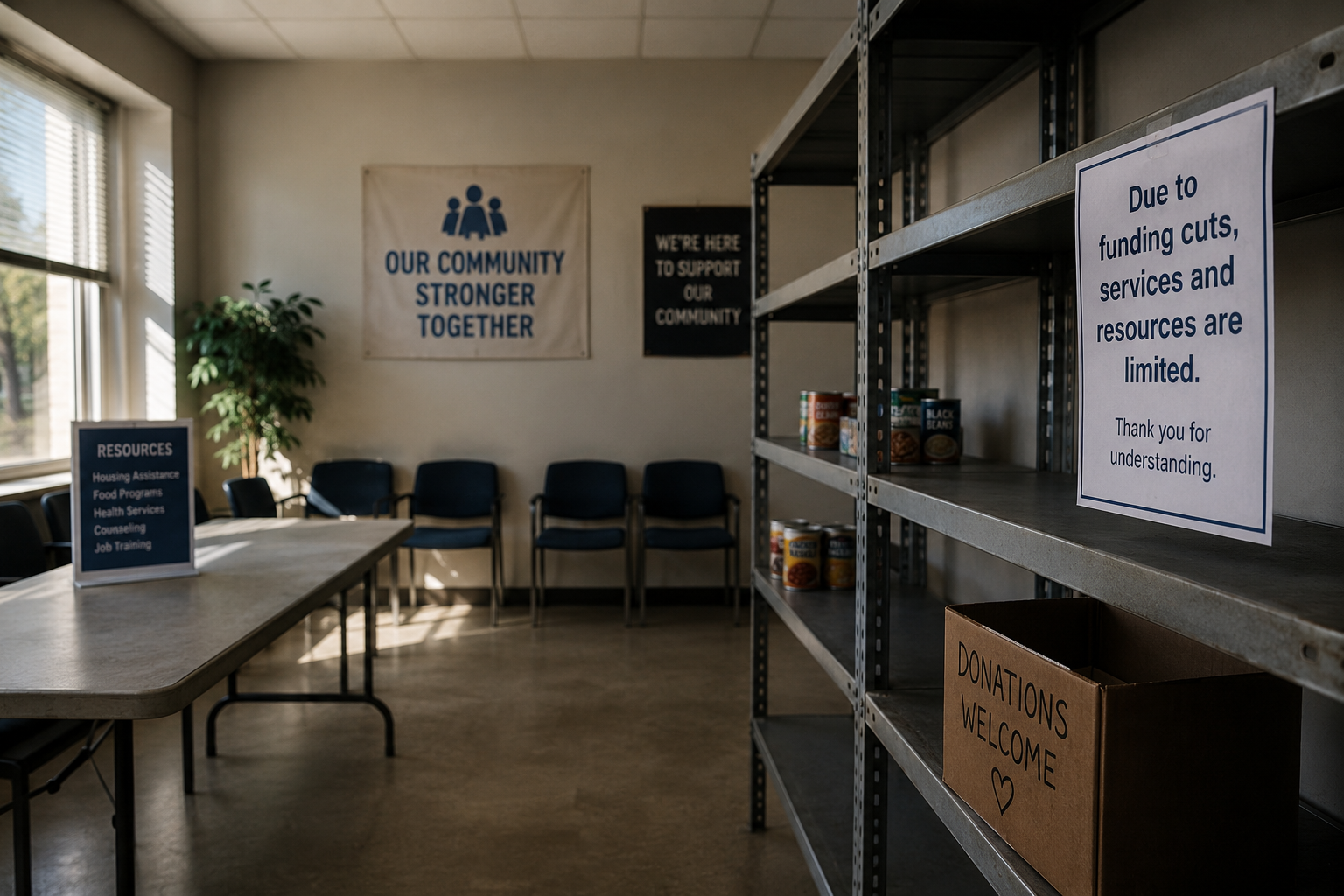
Sweeping funding cuts resulting in staff and program reductions have come at a time when increased demand for services has risen for 81% of nonprofit organizations. According to the Urban Institute’s 2025 survey of nonprofit organizations, 21% reported losing government funding, another 27% reported experiencing a freeze, pause or delay, and an estimated 211,000 federal employees have left their jobs. In the health sector alone, cuts to Medicaid funding are expected to remove health coverage for between 11.8 and 16 million people and terminate countless programs to ensure healthcare for some of the most vulnerable groups in society. As critical roles in health care are defunded, key personnel are being laid off and those who survive the recent purges face an ever-growing caseload with minimal, if any, additional support.
The effects of these cuts are also squeezing non-governmental philanthropic spaces, reducing funding available for a wide array of organizations and programs that have relied on grants to sustain their budgets. Meanwhile, lower (on average)-than-market nonprofit salaries are increasingly being dwarfed by rising costs of living, leaving over 20% of the country’s nonprofit staff unable to meet basic household necessities.
Pervasive burnout
In 2025, The Center for Effective Philanthropy found that approximately 90% of surveyed nonprofit leaders were concerned about burnout among their staff, as well as the resulting attrition and associated loss of institutional memory and relational capacity.
The distress experienced by nonprofit caregivers or changemakers derives from a series of conditions beyond their control, including resource scarcity, urgent need,and ongoing exposure to trauma. Nonprofit workers are frequently motivated by deep personal commitments to their work and the people they serve, who are regularly exposed to heartbreaking injustices and suffering. Chronically urgent work demands and pursuit of – in many cases – unrealistic goals, erodes work-life balance. This burden can be further compounded by internalized guilt and secondary trauma from their inability to fix the conditions that are causing harm to those they serve. While burnout is epidemic across care- and change-centered organizations, in the health sector, this type of distress is increasingly referred to as moral injury.

Threats to organizational effectiveness and impact
Brain fog, difficulty concentrating, hyper-reactivity, forgetfulness, anxiety and numbness – all well-documented manifestations of burnout – can undermine staff productivity and overall performance, compromising the very mission that the organizations were created to serve. Sometimes they lead to staff resignations , particularly in direct-service delivery and critical advocacy roles. One study suggests that the cost of losing a top-performer in senior management can be as high as nine times their annual salary. Conversely, employee well being is an essential part of job satisfaction and often leads to lower rates of turnover, better retention and attraction of valuable new talent.
Restorative retreats: an attuned wellness opportunity
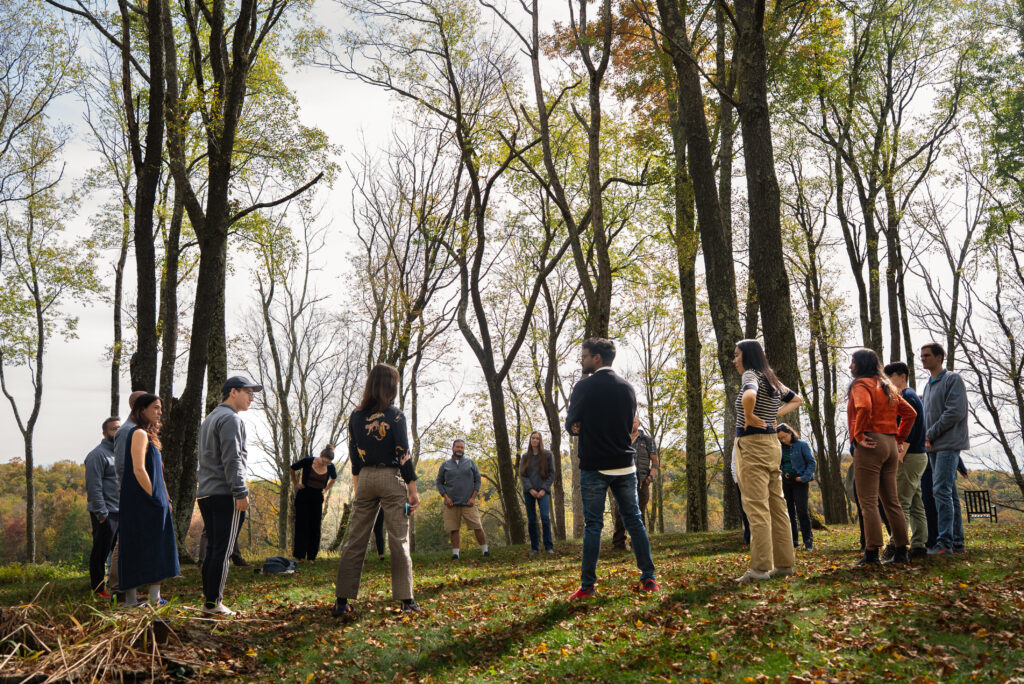
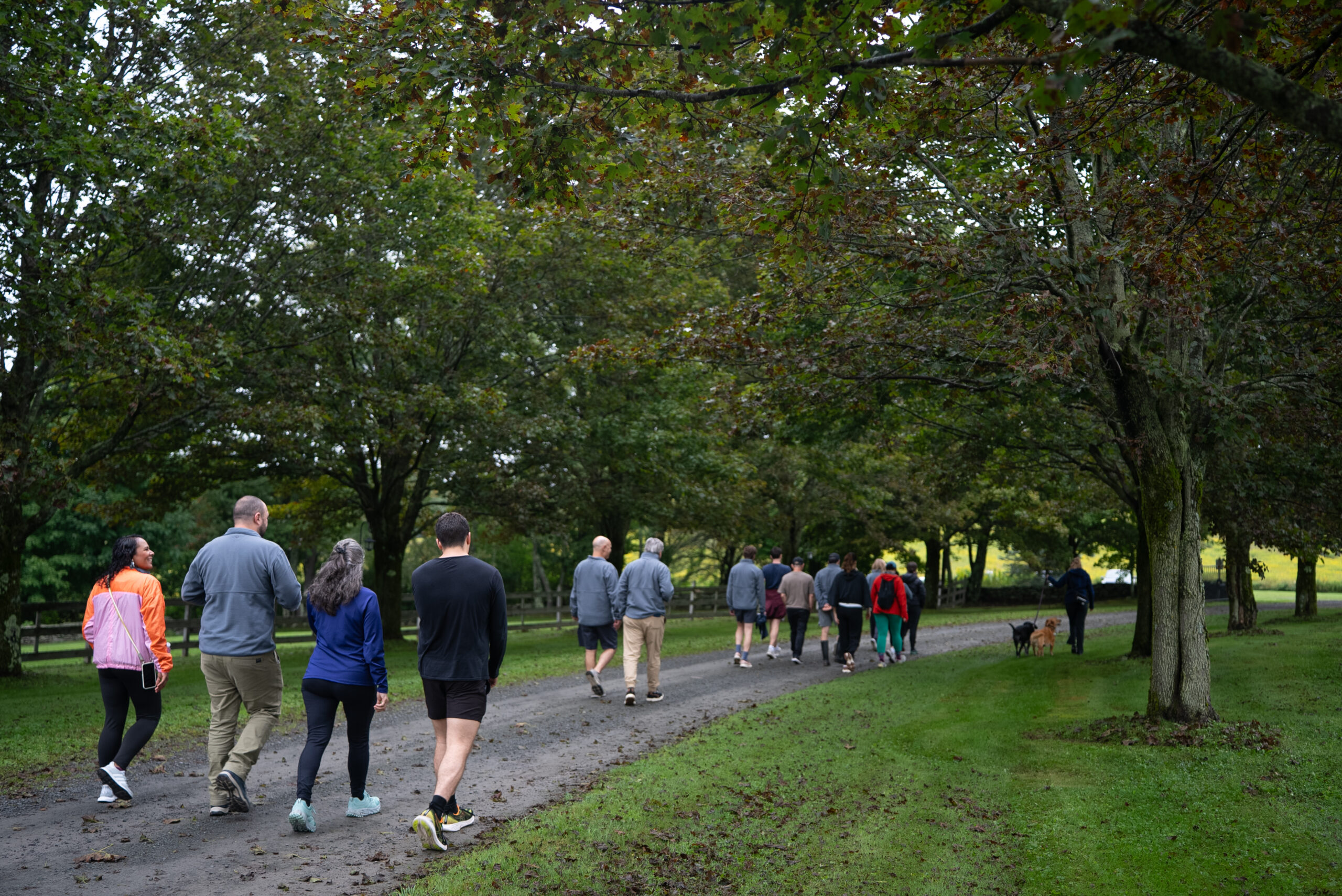
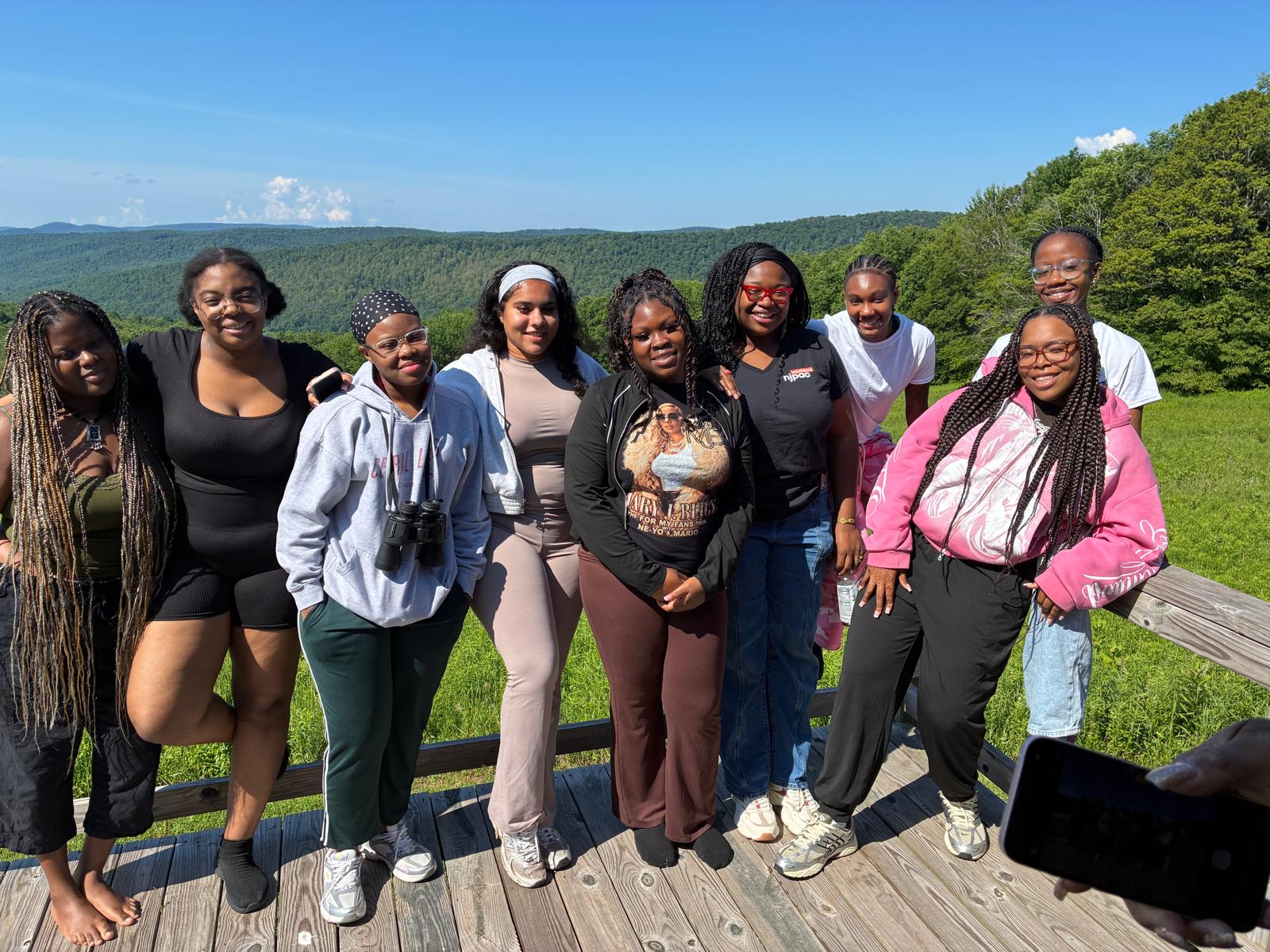
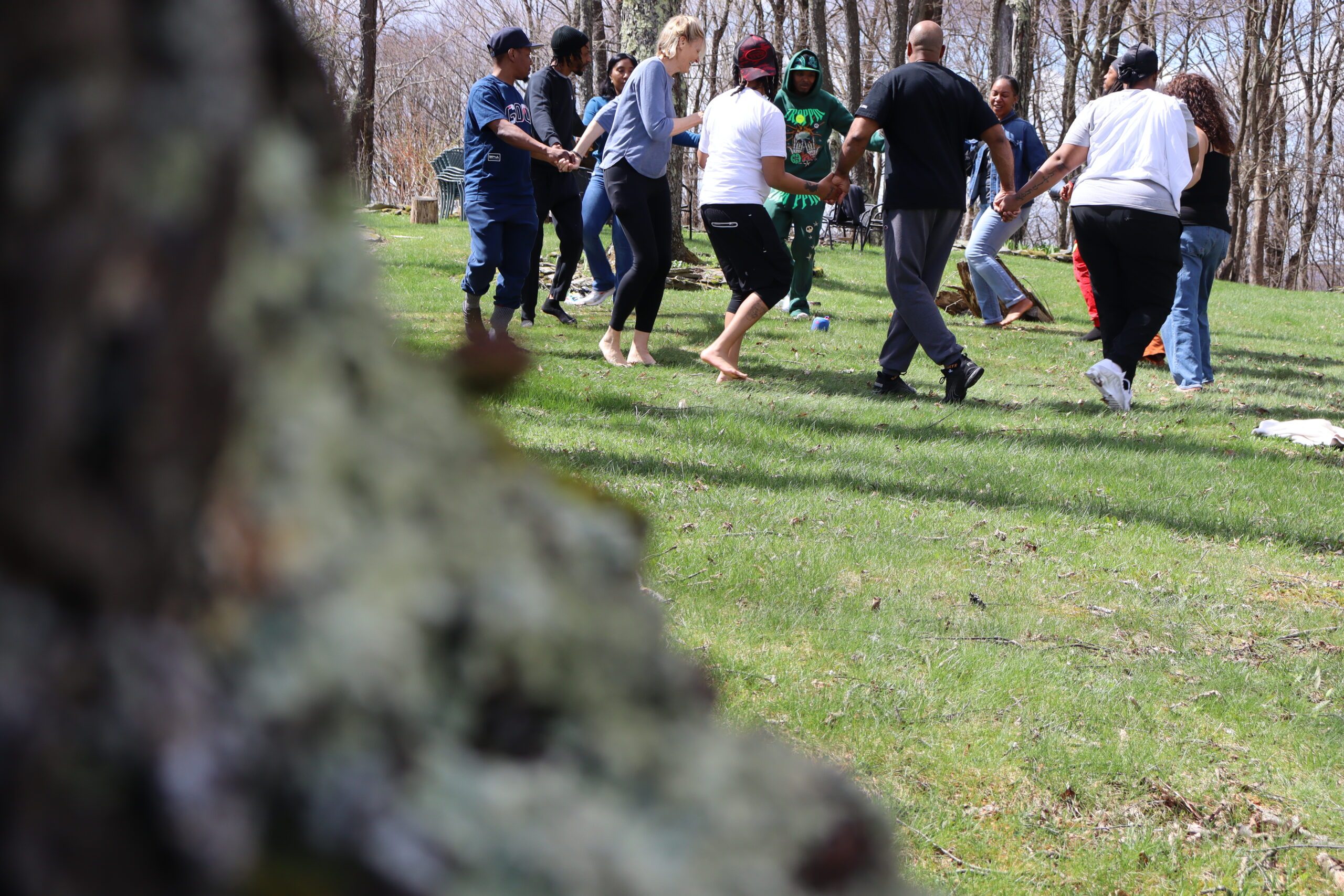
Just as work-induced distress comes from within an organization, so can the solution. Over the past decade, we have worked with the leadership and funders of numerous nonprofits focused on strategies to bolster their organizations’ performance, resilience and capacity through retreats tailored to the unique qualities of each group.
We have learned several lessons about how to maximize the success of wellness retreats. In addition to spa amenities, delicious country cooking and the land’s natural beauty, effective retreat programs result from a collaborative process of co-creation of an experience uniquely fashioned to reflect the needs of each organization. The nonprofit groups leave these retreats with a re-affirmation of purpose, renewed commitment and staying power, enhanced alignment across teams and, at times, creative strategic planning, all in support of the goals of the organization and the wellbeing of its staff and leadership.